Germany’s historic transition toward clean energy (Energiewende) has created an unprecedented surge in demand for solar photovoltaic (PV) installers, rooftop electrical technicians, and battery storage specialists. In 2026, the German Federal Ministry for Economic Affairs and Climate Action projects a shortfall of over 100,000 technicians needed to install residential and commercial solar arrays across North Rhine-Westphalia, Bavaria, and Baden-Württemberg.
To meet these binding national climate mandates, German renewable energy contractors are aggressively hiring third-country national craftsmen under the accelerated skilled worker procedure (Beschleunigtes Fachkräfteverfahren). To check your qualification match, consult our EU Work Visa Eligibility Tool and generate a compliant resume via our Europass CV Generator.
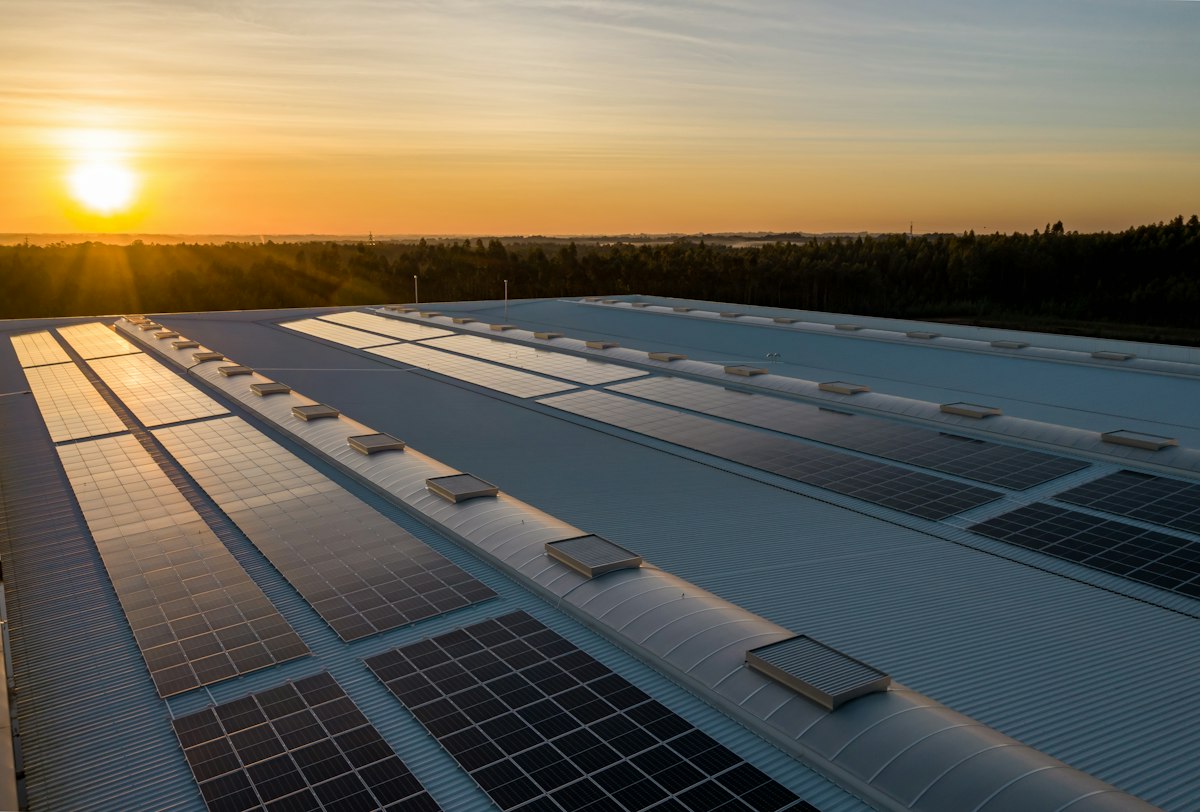
Statutory Pay Scales in German Solar & Renewable Contracting (2026)
Solar installation teams in Germany operate under structured trade guild agreements (Elektrohandwerk and Dachdeckerhandwerk), providing competitive hourly wages, height hazard allowances, and annual bonus entitlements:
| Technical Trade Role | Base Monthly Gross Pay | Estimated Monthly Net (Tax Class 1) | Statutory Allowances & Equipment |
|---|---|---|---|
| Solar Rooftop Installer (Monteur Photovoltaik) | €2,700 – €3,500 | €1,850 – €2,350 Net | Height allowance, safety harness provided, company van |
| Solar Grid Electrician (Elektroinstallateur PV) | €3,200 – €4,400 | €2,150 – €2,850 Net | Inverter certification bonus, tool allowance, 30 days leave |
| Commercial Solar Farm Technician | €3,000 – €3,900 | €2,050 – €2,580 Net | Per diem travel allowances (€28/day tax-free) |
| Battery Storage Installation Specialist | €3,400 – €4,600 | €2,250 – €3,000 Net | High-voltage certified tariff, 13th month holiday bonus |
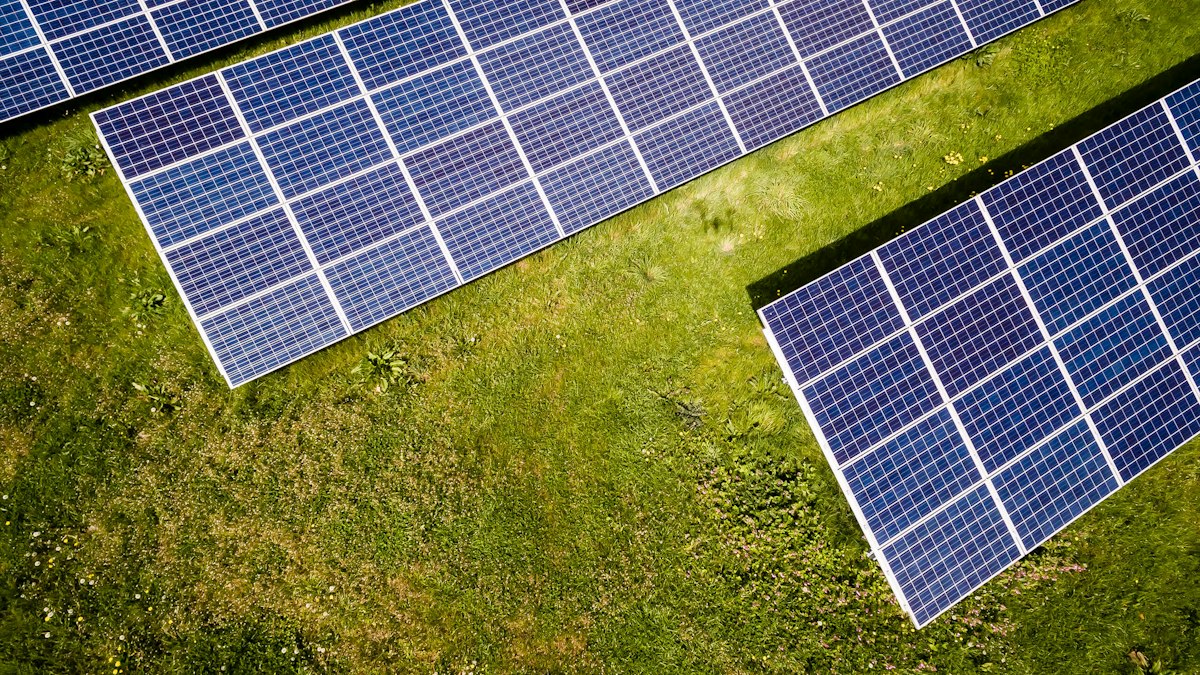
Technical Qualifications & Certification Standards
Depending on your technical background, foreign candidates enter two distinct roles in the German solar industry:
- Mechanical Rooftop Installers (DC Side): Assembly of aluminum substructures, tile roof brackets, and solar panel racking. Prior experience as a roofer, scaffolder, or general construction worker is highly valued; formal electrical licenses are not required for structural mounting.
- Certified Electrical Grid Installers (AC Side): Connecting DC solar strings into hybrid inverters, smart energy meters, and national grid distribution panels. Requires formal vocational credentials recognized through the German Chamber of Crafts (Anerkennung in Deutschland).
- Height Safety Certification (DGUV Regel 112-198): Mandatory German fall protection safety training arranged and paid for by the employer upon arrival.
Accelerated Immigration Procedure (Section 81a AufenthG)
Under Section 81a of the German Residence Act, sponsoring solar energy employers can initiate an expedited visa procedure on your behalf at the regional Foreigners’ Authority (Ausländerbehörde). Once granted, the German embassy is legally mandated to issue the national visa within 3 weeks of your biometric appointment. Explore related opportunities in our Germany Work Guides.
Frequently Asked Questions (FAQ)
Can I work as a solar panel installer if I do not speak German?
Yes. Commercial rooftop installation crews frequently operate with English-speaking or multi-lingual foremen. While basic German (A1/A2) is beneficial for domestic homeowner interactions, mechanical assembly teams recruit international workers with conversational English.
Is work available during the German winter months?
Yes. While heavy snow can temporarily pause steep roof mounting, German solar contractors utilize bad-weather compensation (Saison-Kurzarbeitergeld) protecting full base wages, while shifting focus to indoor inverter wiring and battery storage setup.
Official Notice: Europe Jobs Portal provides verified immigration guidance. Always cross-verify employer authorizations via official German industrial registers.