BENELUX LOGISTICS EXPANSION 2026
Netherlands Warehouse Logistics & Order Picker Recruitment 2026: Dutch Minimum Wage Hikes, Regulated Housing & Single Permit Visa Pathways
Serving as the commercial logistical gateway of Europe through the Port of Rotterdam and major supply chain hubs across Venlo, Tilburg, Waalwijk, and Westland, Dutch distribution centers are experiencing high demand for international order pickers, forklift operators (reach-truck), and warehouse stockers. Following statutory indexation, the Dutch statutory minimum wage stands at €13.68 per hour (€2,370+ gross monthly), with verified employers offering certified SNF accommodation, health insurance enrollment, and legal sponsorship under the European Single Permit (GVVA).
The Netherlands is Europe’s premier distribution crossroads. With global e-commerce fulfillment centers, cold-storage pharmaceutical corridors, and high-tech agrifood sorting terminals operating 24/7, Dutch supply chain logistics providers face acute domestic labor shortages. Under the modernized European Single Permit Directive, non-EU workers with certified employer petitions can obtain combined residence and work permits to fill crucial supply chain vacancies.
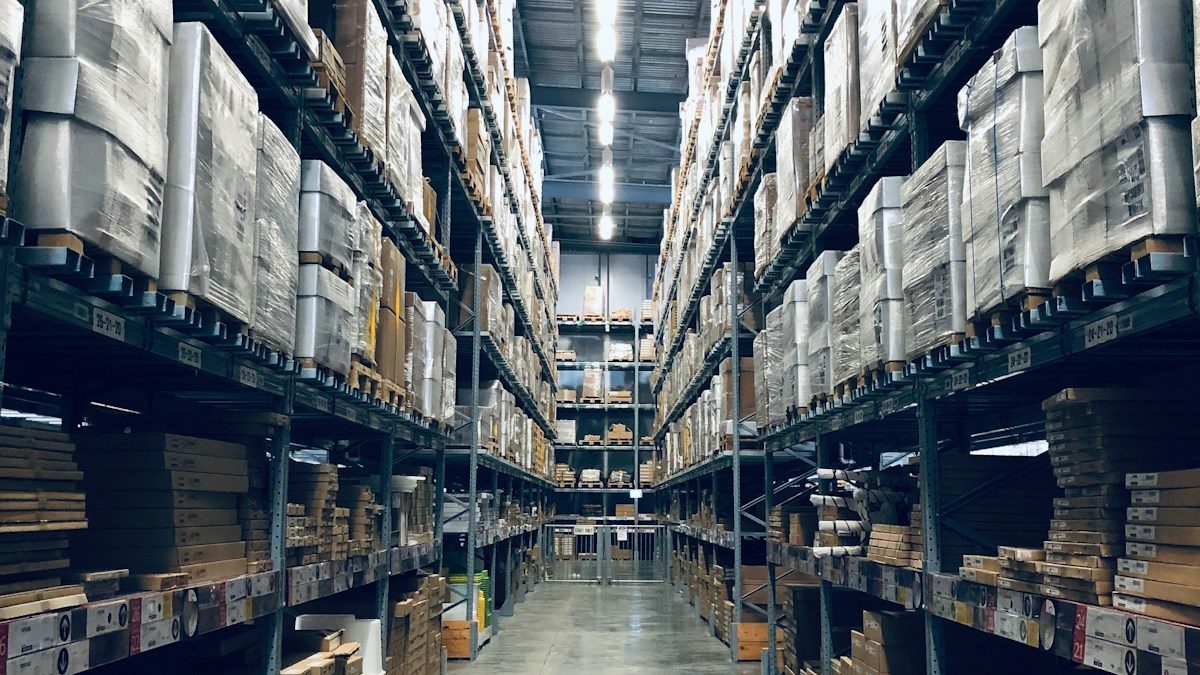
High-Demand Logistics Positions in the Netherlands
Modern automated Dutch fulfillment centers (supporting brands such as Bol.com, ASML supply chains, Coolblue, and Albert Heijn distribution) hire across several specialized disciplines:
- Voice-Picking & Hand-Scanner Order Pickers: Collecting retail items from automated shelving aisles using voice headsets or digital barcode scanners. Predictable shifts with high efficiency bonuses.
- Reach-Truck & Forklift (EPT) Operators: Maneuvering palletized goods into high-bay storage racks up to 12 meters high. Requires reach-truck certification (which many employers provide on-site).
- Inbound Goods Receipt & Quality Control: Unloading shipping containers, verifying delivery manifests, and logging inventory into warehouse management systems (WMS).
- Packing, Labeling & Despatch Crew: Final packaging, weight checking, applying shipping documentation, and loading delivery trailers.
Dutch Wage Framework, Shift Allowances & Benefits
Under Dutch labor law and sector collective agreements (such as the CAO Beroepsgoederenvervoer and CAO Logistiek), warehouse employees receive generous shift premiums (Onregelmatigheidstoeslag):
| Work Shift Schedule | Applicable Premium / Surcharge | Effective Hourly Rate | Gross Monthly Estimate |
|---|---|---|---|
| Standard Day Shift (07:00 – 18:00) | 100% (Base Rate) | €13.68 – €15.00 | €2,370 – €2,600 |
| Evening Shift (18:00 – 23:00) | +125% – +130% Surcharge | €17.10 – €19.50 | €2,960 – €3,380 |
| Night Shift (23:00 – 06:00) | +135% – +150% Surcharge | €18.46 – €22.50 | €3,200 – €3,900 |
| Weekend Shifts (Saturday/Sunday) | +150% – +200% Surcharge | €20.52 – €30.00 | High Overtime Payout |
Mandatory Dutch Benefits: Every worker legally employed in the Netherlands is entitled to 8% statutory holiday allowance (Vakantiegeld) paid annually in May, alongside at least 24 paid vacation days per year.
Accommodation Standards: SNF-Certified Housing Guarantee
To eliminate substandard worker housing, the Netherlands enforces strict certification through the Stichting Normering Flexwonen (SNF):
- Private Living Standards: SNF-certified houses mandate minimum usable living space, fire safety standards, clean sanitary facilities, and reliable thermal insulation.
- Capped Rental Costs: Housing costs are capped by law and typically deducted transparently from payroll at approximately €90 to €120 per week, covering all utilities and Wi-Fi.
- Bicycle & Transport Assistance: Employers commonly provide company e-bikes or commuter van shuttles between worker accommodations and logistics parks.
The Single Permit (GVVA) Visa Application Flow
Non-EU citizens are hired through the Dutch Combined Residence and Work Permit (Gecombineerde Vergunning voor Verblijf en Arbeid – GVVA):
- Employer Lodges Application with IND: The Dutch employer submits the GVVA petition directly to the Immigration and Naturalisation Service (IND).
- UWV Labor Market Review: The IND consults the Employee Insurance Agency (UWV) to confirm the role complies with national salary requirements and labor market standards.
- MVV Entry Visa Authorization: Once approved, the IND notifies the Dutch Embassy in the worker’s home country to issue an MVV entry visa.
- BSN Registration & Residence Card: Upon arrival in the Netherlands, the worker registers at the local municipality (Gemeente) to obtain their citizen service number (BSN) and picks up their biometric residence card from the IND desk.
Official Dutch Government & Job Search Resources
- IND (Immigration and Naturalisation Service): https://ind.nl/en
- UWV (Public Employment Service): https://www.werk.nl/
- SNF Housing Standards Register: https://www.normeringflexwonen.nl/
- EURES Netherlands Job Mobility: https://eures.europa.eu/
Frequently Asked Questions (FAQ)
Do I need to speak Dutch to work in a Netherlands logistics warehouse?
No. In Dutch logistics and distribution centers, English is the primary workplace language. Digital pick-to-voice headsets, handheld scanner interfaces, and training materials are provided in English.
Can I obtain forklift or reach-truck certification in the Netherlands?
Yes. Many major logistics employers and staffing partners offer on-site 1-to-2 day training courses to help foreign workers acquire the Dutch forklift (Heftruck) or reach-truck (Reachtruck) certificate, leading to higher hourly wages.
How much is the Dutch citizen service number (BSN) and how do I get it?
The BSN (Burgerservicenummer) is free of charge. Your employer arranges an in-person appointment with the municipal civil registry (Gemeente) upon your arrival, where your BSN is issued to facilitate legal payroll, taxation, and health insurance.
Is health insurance mandatory for warehouse workers in the Netherlands?
Yes. Every person living and working in the Netherlands is legally required to hold basic Dutch health insurance (Zorgverzekering). Most employers arrange group policies costing approximately €30 to €35 per week, and low-income workers can apply for government healthcare subsidies (Zorgtoeslag).
How long is the Single Permit (GVVA) valid for?
The GVVA is typically issued for one to three years, depending on the employment contract. It is fully renewable by the employer as long as the employment relationship continues.