NORDIC PUBLIC HEALTHCARE BRIEFING
Sweden Healthcare & Elderly Care Assistant Jobs 2026: Fast-Track Migrationsverket Work Permits, Municipal Collective Wages & Settlement Pathways
To combat systemic demographic aging across municipal regions in Stockholm, Gothenburg, Malmö, Uppsala, and Norrland, the Swedish Migration Agency (Migrationsverket) and the National Board of Health and Welfare (Socialstyrelsen) have designated assistant nurses (undersköterskor) and care aides (vårdbiträden) as primary critical shortage occupations (SSYK code 5321). International candidates securing qualifying offers meeting the Kommunal collective wage standard (minimum 24,500–28,500 SEK / €2,150–€2,500 monthly) can obtain expedited 2-year renewable work permits with permanent residency eligibility after 48 months.
Sweden possesses one of the world’s most comprehensively funded public welfare systems. However, with over 20% of the Swedish population aged 65 and older, municipalities (Kommuner) and private healthcare operators are facing a projected shortfall of over 45,000 certified caregivers by 2030. To maintain national elderly residential standards, regional healthcare administrations are actively recruiting international nursing aides and personal support assistants through dedicated work permit pipelines.
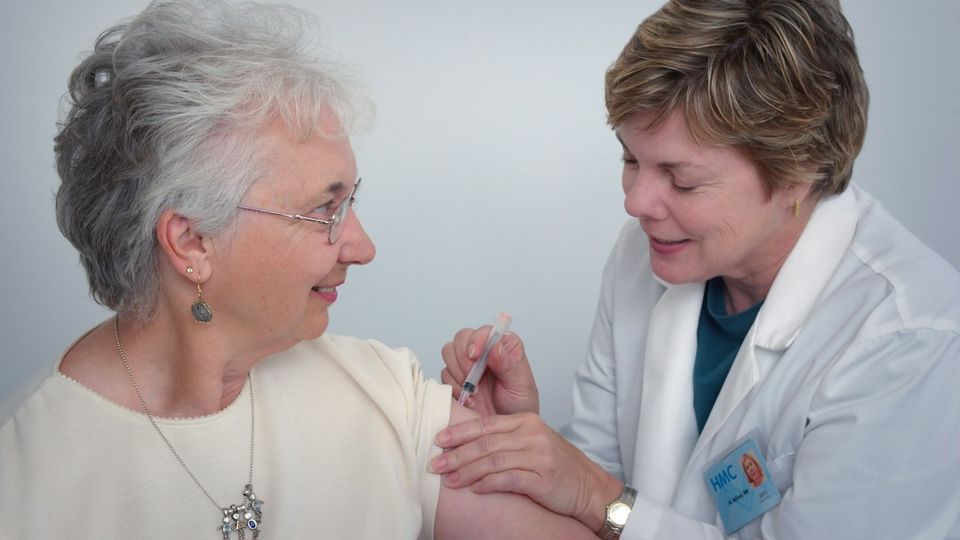
Caregiver Role Classifications & Licensing in Sweden
Sweden distinguishes between certified vocational nurses and entry-level care aides:
- Assistant Nurses (Undersköterskor): Since the implementation of protected professional title legislation, working under the formal title of undersköterska requires registration with Socialstyrelsen. Duties include administering prescribed medications, wound dressing, monitoring vital signs, and coordinating medical charts.
- Care Aides (Vårdbiträden): Entry-level healthcare assistants who provide daily non-medical assistance in elderly residential homes (äldreboende) and home-care services (hemtjänst). They assist with mobility, personal hygiene, nutritional feeding, and companionship. No Socialstyrelsen medical license is required for this classification.
- Personal Care Assistants (Personlig Assistent): Working directly with individuals with physical or cognitive disabilities under the Swedish LSS Act (Lagen om stöd och service till vissa funktionshindrade).
Kommunal Collective Agreement Wages & Shift Bonuses 2026
In Sweden, wages and employment conditions are regulated by trade union collective agreements (Kollektivavtal) between municipal employers (SKR) and the Swedish Municipal Workers’ Union (Kommunal):
| Job Role / Title | Kommunal Base Salary (SEK) | EUR Equivalent | OB Shift Premium & Perks |
|---|---|---|---|
| Care Aide (Vårdbiträde) | 24,500 – 26,200 SEK | €2,150 – €2,300 | +25% Evening / +50% Weekend OB |
| Assistant Nurse (Undersköterska) | 27,000 – 31,500 SEK | €2,370 – €2,760 | +40% Night Shifts / Overtime Pay |
| Senior Care Specialist (Demensvård) | 30,000 – 34,000 SEK | €2,630 – €2,980 | Specialist Dementia Care Allowance |
OB-Tillägg (Unsocial Working Hours Compensation): Healthcare employees receive substantial statutory bonuses for evening, night, and weekend rotations (obekväm arbetstid), frequently boosting gross take-home pay by 3,000 to 5,500 SEK monthly. All workers receive 25 paid vacation days annually.
Language Requirements & Municipal Integration Support
While English proficiency is common in Swedish corporate environments, healthcare interactions require basic Swedish language competency:
- Initial Work Visa Sponsorship: Migrationsverket does not set a mandatory Swedish test for issuing the work permit itself if the employer accepts the candidate’s language level.
- Subsidized SFI Courses: Once registered in Sweden, foreign workers have free statutory access to Swedish for Immigrants (SFI) evening courses and Svenska som andraspråk (SAS) modules sponsored by the local municipality.
- Bilingual Care Facilities: Several international care centers in major metropolitan centers hire English-speaking care assistants while supporting on-the-job Swedish linguistic training.
Step-by-Step Migrationsverket Application Blueprint
The Swedish work permit application is initiated entirely by the sponsoring Swedish municipal or private employer:
- Job Advertisement on EURES / Arbetsförmedlingen: The employer advertises the vacancy across the EU/EEA for at least 10 days to satisfy labor market testing.
- Union Opinion (Fackligt yttrande): The employer drafts the employment offer terms and submits them to Kommunal to certify that salary and insurance conditions match Swedish collective benchmarks.
- Digital Petition Initiation: The employer lodges the online petition on the Migrationsverket e-portal, triggering a digital invitation link sent to the worker’s email.
- Applicant Online Submission: The employee logs into the portal, uploads passport scans and certified qualifications, and pays the state application fee (2,200 SEK).
- Biometrics & Residence Card: Following digital clearance, the applicant visits the Swedish Embassy or VFS Global center for biometric photo and fingerprint capture, receiving their residence permit card (Uppehållstillståndskort).
Official Swedish Government Portals & Verified Employers
- Migrationsverket (Swedish Migration Agency): https://www.migrationsverket.se/
- Arbetsförmedlingen (Public Employment Service): https://arbetsformedlingen.se/platsbanken (Search for Vårdbiträde or Undersköterska)
- Socialstyrelsen (National Board of Health and Welfare): https://www.socialstyrelsen.se/
- Major Care Providers in Sweden: Attendo, Vardaga, Humana, and municipal eldercare administrations (e.g., Stockholms stad, Göteborgs Stad).
Frequently Asked Questions (FAQ)
What is the minimum salary threshold for a Swedish work permit in 2026?
Under Sweden’s general maintenance requirement rules, work permit salaries must meet at least 80% of Sweden’s median wage (currently set around 28,480 SEK/month). However, for healthcare and nursing occupations covered by universal collective bargaining agreements, contracts adhering to Kommunal standards that provide full-time sustenance fulfill all legal prerequisites.
Can my spouse and children accompany me to Sweden on a healthcare work permit?
Yes. Holders of a valid Swedish work permit have the legal right to bring their spouse/cohabiting partner and unmarried children under 21. Spouses receive unrestricted work and study authorization in Sweden from day one.
How long does it take to get Swedish Permanent Residence (PUT)?
After holding a valid work permit and working in Sweden for at least 48 months (4 years) within the past 7 years, you can apply for a Permanent Residence Permit (Permanent Uppehållstillstånd – PUT) alongside your work permit extension.
Is health insurance provided by the employer in Sweden?
Yes. Employers in Sweden are legally required to purchase collective occupational insurance policies (Trygghetsförsäkring vid arbetsskada, TFA, pension insurance, and life coverage via Fora or AFA Försäkring) as a non-negotiable condition for work permit approval.
Do I need to submit an apostilled police clearance certificate?
While Migrationsverket does not require a background check for every work permit category, municipal healthcare employers caring for vulnerable elderly populations require a clean criminal record excerpt (Utdrag ur belastningsregistret) before signing an employment contract.